Introduction
Anarkali dresses remain one of the most elegant outfits in South Asian fashion. Known for their flowing silhouette and graceful movement, Anarkali dresses have been a popular choice for weddings, festive occasions, and formal events for generations. From traditional embroidered designs to modern minimal styles, these dresses continue to evolve while maintaining their classic charm.
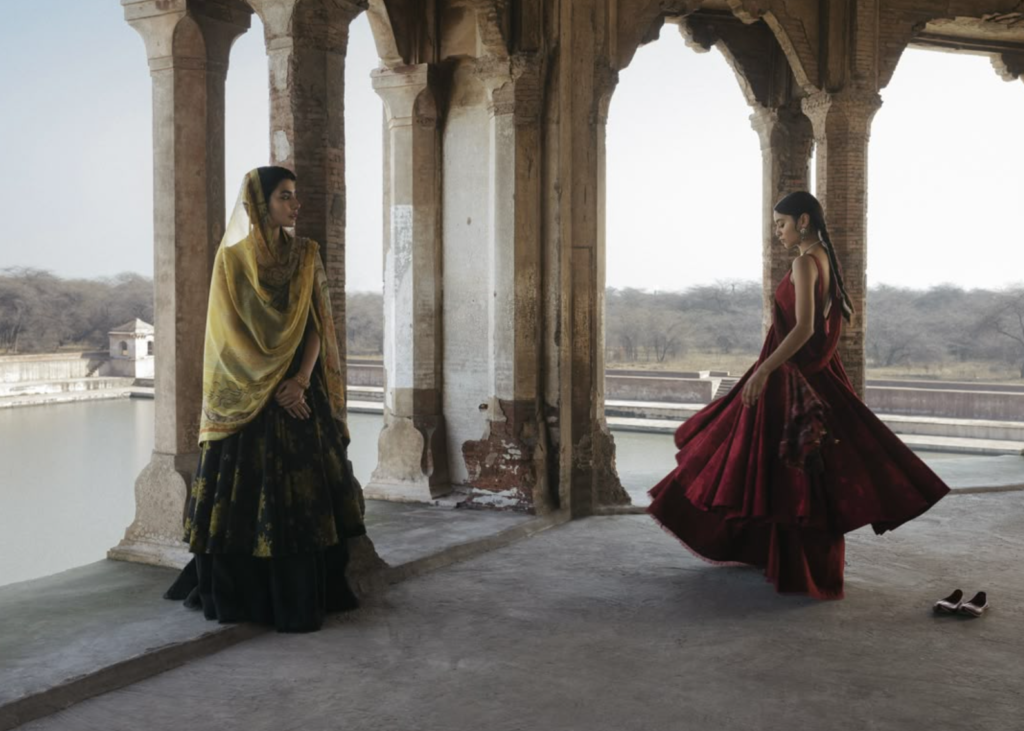
History of Anarkali Dresses in South Asian Fashion
The history of Anarkali dresses can be traced back to the Mughal era. Inspired by royal court fashion, these garments were designed with a fitted bodice and a dramatically flared skirt. The silhouette was admired for its regal appearance and feminine elegance.
Over time, designers have modernized Anarkali dresses by experimenting with fabrics, cuts, and embellishments. Despite these updates, the outfit still reflects the grandeur associated with traditional South Asian clothing.
Modern Dresses Trending Today
Modern Anarkali dresses come in many variations that suit both traditional and contemporary tastes. Floor-length designs remain a popular option for weddings and formal celebrations because they create a graceful and dramatic look.
Shorter styles have also gained popularity in recent years. These versions are often paired with trousers or churidar pants, making them more versatile for semi formal gatherings and festive events.
Styling Anarkali Dresses with Trousers or Churidar
One of the easiest ways to modernize Anarkali dresses is by experimenting with different bottom styles.
Churidar pants create a classic and traditional appearance because their fitted structure highlights the flare of the dress. Tailored trousers, however, offer a modern alternative that gives the outfit a clean and structured look.
Pairing Anarkali dresses with elegant footwear and a light dupatta can complete the outfit beautifully.
Embroidery and Fabric Details
Embroidery plays a major role in the beauty of Anarkali dresses. Traditional threadwork, delicate bead embellishments, and floral motifs are commonly used to enhance the overall design.
Fabrics such as chiffon, silk, georgette, and net are frequently chosen because they create soft movement and help maintain the signature flare of the dress.
If you want inspiration for embroidered outfits, you can explore examples from designers featured on Vogue India and Brides Today.
When to Wear
Because of their elegance and versatility, Anarkali dresses are suitable for many occasions. They are commonly worn at:
- Weddings
- Eid celebrations
- Engagement ceremonies
- Formal dinners
- Cultural festivals
With lighter fabrics and minimal embroidery, they can also be styled for semi formal gatherings.
Related Styles in Traditional Fashion
Many fashion enthusiasts also explore other traditional silhouettes alongside Anarkali dresses, such as:
- Farshi shalwar outfits
- Embroidered lawn suits
- Modern ethnic trousers
These styles offer different ways to express traditional fashion while staying comfortable and stylish.